Lectio Divina: The Four Steps, Explained for Beginners
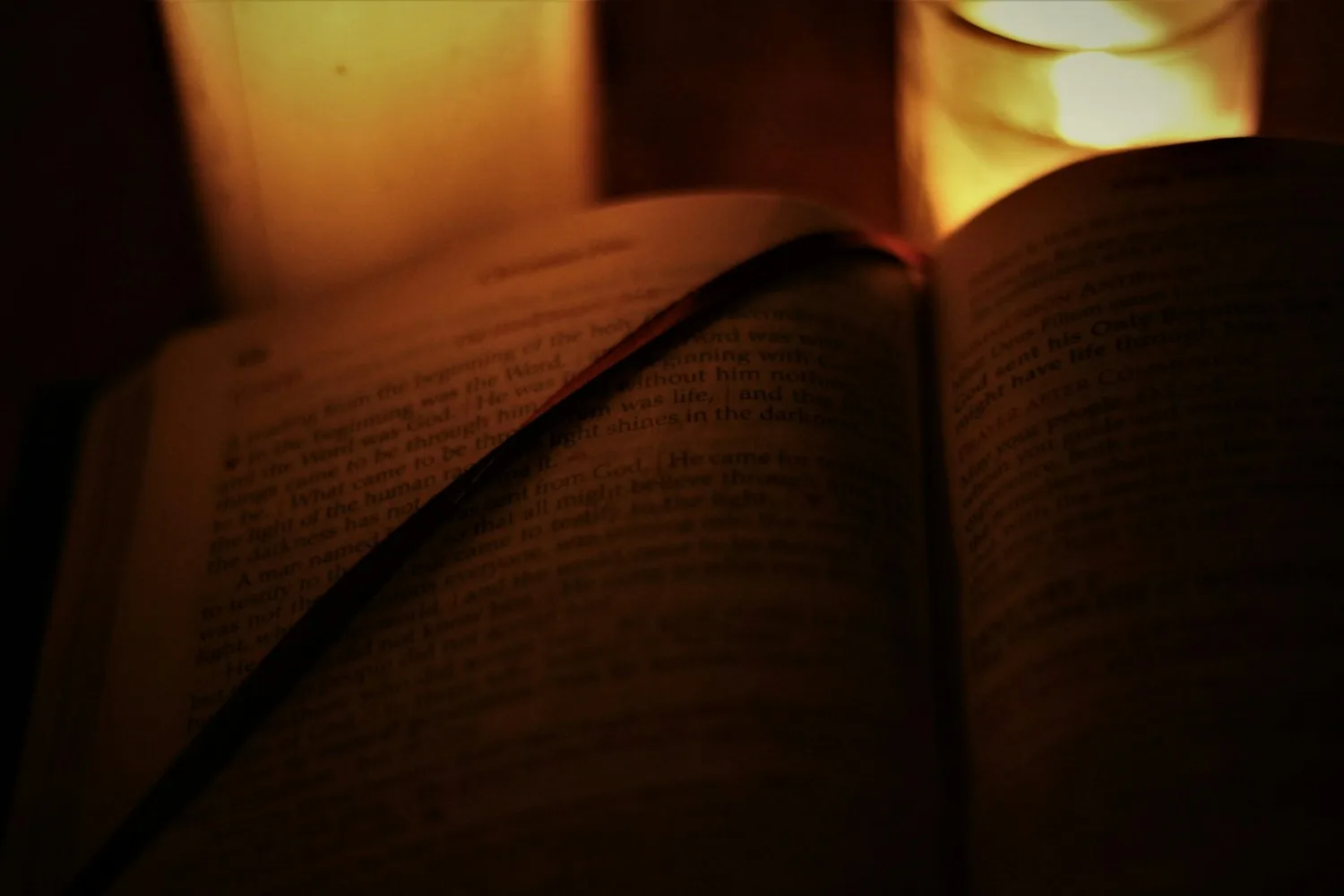
Lectio divina means “divine reading.” It’s an ancient way of praying with a short passage of Scripture — reading it slowly, more than once, and letting a single word or phrase find you rather than going looking for it.
It is less a method than a pace. Most of us read to extract: information, instruction, the point. Lectio divina asks you to read the way you might listen to someone you love — unhurried, attentive, ready to be surprised.
This guide walks you through the four traditional steps, what to do when nothing seems to happen, which passages to begin with, and how to practise it alone or in a group.
Where lectio divina comes from
Slow, prayerful reading of Scripture is as old as the Church. It took a recognisable shape in the monasteries: in the sixth century, the Rule of Saint Benedict set aside hours of each monastic day for lectio divina, alongside prayer and manual work (chapter 48).
The four steps most people learn today come from the twelfth century, when a Carthusian monk, Guigo II, described them as the rungs of a ladder in a short letter known as The Ladder of Monks (Scala Claustralium): reading, meditation, prayer and contemplation.
The practice has never belonged to one corner of the Church. It is commended in Catholic teaching — Pope Benedict XVI described it at length in Verbum Domini (2010, nos. 86–87) — and it is widely practised in Anglican, Methodist, Evangelical and other Protestant communities, too.
The four steps of lectio divina
You need a short passage — four to eight verses is plenty — and about twenty minutes. Before you begin, sit comfortably and let your breathing slow. A minute of quiet is enough to arrive.
1. Lectio — read
Read the passage slowly, ideally aloud. Don’t try to understand it yet. Simply notice which word or phrase seems to shimmer, snag or linger. It may be something small: “by name,” “come away,” “still.”
When you’ve finished, stay with that word for a moment. You don’t need to know why it caught you.
2. Meditatio — reflect
Read the passage a second time. Now let the word you noticed turn over in you. Repeat it gently. Ask, without forcing an answer: Why this? Where does it touch my life right now?
This is not Bible study. You are not working out what the text meant to its first readers. You are letting it meet you where you are today.
3. Oratio — respond
Read it a third time, and then respond. Say to God whatever honestly rises: gratitude, resistance, a question, a request, a complaint. It can be a sentence. It can be one word. Prayer here is not a performance — it’s a reply.
4. Contemplatio — rest
Finally, stop doing anything at all. Let the words go quiet and simply rest in God’s presence for a few minutes. If your mind wanders, return to the word you were given, then let it go again.
This last step is the one most people skip, because nothing seems to be happening. It’s also the one that, over time, tends to matter most.
A fifth step: actio
Many teachers add a gentle fifth movement — actio, action. Before you get up, ask: Is there one small thing this invites me to carry into today? Not a resolution to fix your life. Just one thing. Pope Benedict XVI describes lectio divina as concluding in exactly this way: the word received becomes something lived.
Lectio divina on one page
Many people like to keep the steps beside them while they pray. You’re welcome to print or screenshot this:
Settle. Sit still. Breathe. One minute.
1. Read the passage slowly, aloud. Notice the word that catches.
2. Reflect. Read again. Let the word turn over. Where does it touch my life?
3. Respond. Read a third time. Tell God honestly what rises.
4. Rest. Stop. Be still in God’s presence. Return to the word if you drift.
(5. Carry.) One small thing to take into today.
Passages to begin with
Almost any passage can be prayed this way, but some open more easily than others. Short, image-rich texts work best at first. Avoid long arguments, genealogies, or passages you’ve already decided the meaning of.
- Psalm 23 — familiar enough to feel safe, deep enough to keep surprising you.
- Psalm 46:10 — “Be still, and know that I am God.” Eight words; a lifetime of material.
- Isaiah 43:1–3 — for seasons when you need to hear that you are known by name.
- 1 Kings 19:11–13 — Elijah and the “still, small voice”: a passage about the very quiet you’re practising.
- Matthew 11:28–30 — rest for the weary, and a lighter yoke.
- Luke 10:38–42 — Martha and Mary: for anyone who is busy, tired, or both.
- John 15:4–5 — abiding, remaining, staying close.
Stay with one passage for several days rather than racing through the list. It’s often on the third or fourth day that something opens.
When nothing seems to happen
Some days, no word catches. The passage feels flat and your mind is full of the shopping list. That is normal — and it is not failure.
A few things that help:
- Shorten the passage. Two verses are better than ten.
- Read aloud. Hearing the words engages a different kind of attention.
- Choose any word. If nothing “shimmers,” pick one anyway and stay with it. Faithfulness matters more than feeling.
- Notice the resistance. Sometimes the word you’re avoiding is the one worth sitting with.
Your mind will wander. Noticing that you’ve drifted, and returning, is the practice.
Practising lectio divina in a group
Lectio divina works beautifully with others — a small group, a retreat, a church gathering. A simple pattern:
- One person reads the passage aloud, slowly. Silence for a minute. Each person says only the word or phrase that caught them, with no explanation.
- A second voice reads the passage. Silence. Anyone who wishes shares a sentence or two about where the word touches their life.
- A third reading. Silence. Each person prays briefly, aloud or silently, for the person on their right.
- A few minutes of shared silence to close.
The one rule that keeps a group safe: no discussing, correcting or advising. Each person’s word is received, not debated.
Lectio divina and visio divina
If words aren’t always where you meet God, you might find a home in lectio divina’s visual sibling. Visio divina — “divine seeing” — follows the same movement with an image instead of a text: look, notice what catches, stay, respond, rest.
The two belong to the wider family of contemplative prayer: ways of praying that are less about speaking to God and more about making room to be with God. If you’re new to all of this, our plain-language guide to contemplative practice is a good place to start.
A word on what this isn’t
Lectio divina is not a technique for extracting messages from the Bible, and the word that catches you is not an instruction to act on without thought. People sometimes ask whether the practice is risky for exactly this reason. Held well, it isn’t: it has been prayed within the Church for well over a thousand years, and it sits comfortably alongside study, worship and community. If a word seems to point towards a significant decision, take it into a slower kind of discernment — ideally with someone you trust.
Trying it this week
Choose one short passage. Give it twenty minutes a day, at the same time if you can, for five days. Keep a notebook beside you and write down the word that caught you each day — nothing more. By the end of the week, read back through the list. You may be surprised by the thread that runs through it.
If you’d like to go deeper, you’ll find free guided meditations here, and a contemplative retreat is a wonderful place to practise it with others. If you’d like to explore it one to one, get in touch.
Frequently asked questions
What are the four steps of lectio divina?
Lectio (read), meditatio (reflect), oratio (respond in prayer) and contemplatio (rest in God’s presence). They were named by the twelfth-century Carthusian monk Guigo II in The Ladder of Monks. Many teachers add a fifth step, actio: carrying one small thing from the prayer into daily life.
How long should lectio divina take?
Around fifteen to twenty minutes is a good starting point. What matters more than length is pace: reading slowly, more than once, and leaving real silence at the end.
Is lectio divina Catholic or Protestant?
Both. It grew out of early Christian and monastic practice, is commended in Catholic teaching, and is widely used in Anglican, Methodist, Evangelical and other Protestant communities today.
What is the difference between lectio divina and Bible study?
Bible study asks what a text means; lectio divina asks what it is saying to you now. Study works with context, history and interpretation. Lectio divina works with a single word or phrase, received slowly in prayer. The two complement each other.
Which Bible passages are best for lectio divina?
Short, image-rich passages work best for beginners: Psalm 23, Psalm 46:10, Isaiah 43:1–3, 1 Kings 19:11–13, Matthew 11:28–30, Luke 10:38–42 or John 15:4–5. Four to eight verses is plenty.
Can you do lectio divina in a group?
Yes. One person reads the passage aloud three times, with silence between readings. After each reading, participants share only a word, then a brief reflection, then a short prayer, without discussing or correcting one another.
What is the difference between lectio divina and visio divina?
Lectio divina is prayer with a text; visio divina is prayer with an image. Both follow the same movement: attend slowly, notice what catches, stay with it, respond, and rest.
Not sure which door is yours today?
Explore the three paths — Healing, Being, and Searching — and find the one that meets you where you are.