What Is Contemplative Prayer?
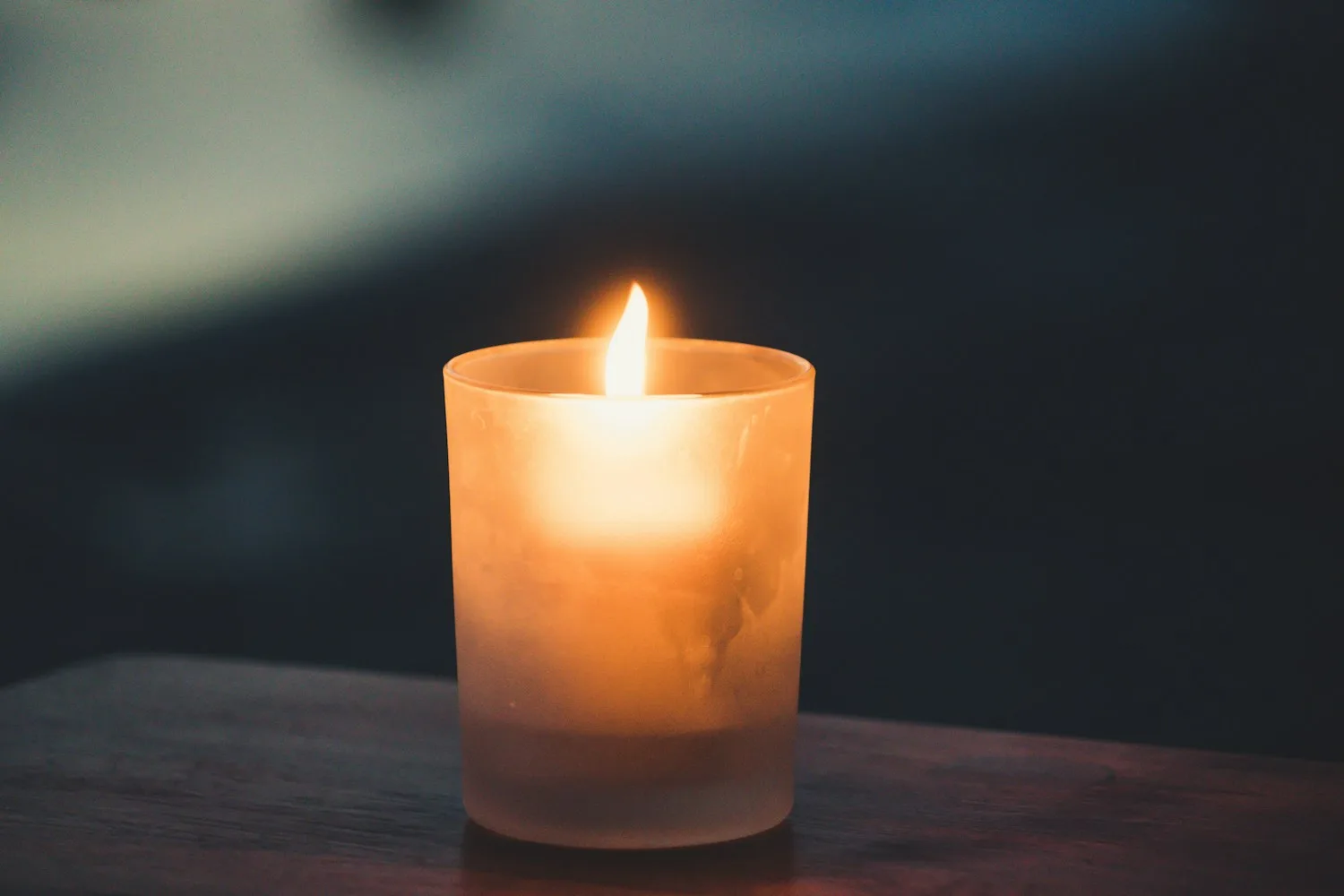
Contemplative prayer is a quiet, wordless way of being present to the Sacred — less about asking or speaking, and more about listening and resting in stillness.
Rather than filling the silence with words, it invites you simply to be present, trusting that presence itself is enough. It’s one of the oldest forms of prayer across contemplative traditions.
What makes contemplative prayer different from praying as you learned it
Most of us were taught prayer as speech. You address someone. You give thanks, or confess, or ask. There are words, and the words are the substance of it.
Contemplative prayer removes the words and keeps the address.
That sounds like subtraction, and at first it feels like it. Sitting without anything to say can feel like the line has gone dead. It hasn’t. It’s the difference between a conversation and sitting with someone you love without needing to fill the room.
What you actually do
Very little, and that’s the difficulty.
- Sit somewhere you won’t be interrupted. Ordinary chair, ordinary room. This needs no special setting.
- Let your breathing settle without managing it.
- Consent to being present. Not to achieving a state. Just an inward yes to being here, with the Sacred, for these minutes.
- When you notice you’ve drifted, return. Gently, without scoring yourself. This will happen many times.
- Stop before it becomes a chore. Ten minutes kept is better than thirty abandoned.
That fourth step is the entire practice. Not the stillness — the returning. You will drift into tomorrow’s list, into an argument from Tuesday, into wondering how long is left. Each time you notice and come back, the practice is working exactly as intended.
The part nobody warns you about
It is often boring, and it often feels like nothing is happening.
This is not a sign you’re unsuited to it. Silence has a way of surfacing whatever you’ve been outrunning, and the first thing most people meet is restlessness. Underneath the restlessness there’s usually something else — and it tends to arrive only after the boredom has been allowed to run its course.
The instinct is to reach for a technique that makes it more interesting. Resist that for a while. Stay.
Examples of contemplative prayer
The steps above are the bare form. Over the centuries, contemplative prayer has taken many more particular shapes. A few of the best known:
- Centering prayer. You choose a single sacred word as a sign of your consent to being present. When you notice you’re caught up in a thought, you return to the word, gently. Taught widely since the 1970s by the Trappist monk Thomas Keating and others.
- The Jesus Prayer, or prayer of the heart. A short phrase repeated slowly, often in time with the breath: “Lord Jesus Christ, Son of God, have mercy on me.” It comes from the Eastern Orthodox tradition, where the repetition is meant to carry prayer down from the head into the heart.
- Breath prayer. A simpler, personal cousin of the Jesus Prayer: a few words on the in-breath, a few on the out-breath. You choose the words yourself.
- Lectio divina. Reading a short passage slowly, more than once, and staying with whatever word or phrase catches.
- Visio divina. The same movement as lectio divina, with an image in place of a text.
- The Examen. A review of the day, from the tradition of Ignatius of Loyola, noticing where you felt most alive and where most distant. There’s a version of it in this practice for discernment.
- Taizé prayer. Short chants sung over and over, with long silences in between, from the ecumenical Taizé community in France. It’s a way into silence for people who find it easier to begin by singing.
None of these is more advanced than another. They’re doors into the same room, and the one to use is whichever you’ll actually come back to.
Do you need to be religious?
No, and this is worth being clear about.
Georgina’s personal path is rooted in the Christian faith tradition, and that shapes how she holds this work. But the work isn’t offered as instruction in a belief system. People come carrying questions, doubt, or a faith they’ve stepped away from, and they’re welcome exactly as they are.
If the word “Sacred” is easier for you than any other, use that one. If even that is a stretch today, art journaling or visio divina offer the same stillness through a side door, with less freight on the vocabulary.
If sitting still is not your door
For a great many people, seated silent prayer is genuinely the hardest possible starting point. If that’s you, you haven’t failed at contemplative practice — you’ve found out something useful about how you’re built.
Some of the same ground can be reached through:
- Making. Simple, repetitive marks on a page as the anchor instead of breath. See art meditation.
- Movement. Letting the body speak what words cannot. Not exercise — there’s no target to hit.
- Time outdoors. Attentive, unhurried, with no takeaway required.
- Shared silence. Sitting with others in a silent retreat is frequently easier than sitting alone.
A note on therapy
Contemplative prayer isn’t therapy and isn’t a substitute for it. It isn’t a treatment, a diagnosis, or mental health care.
Many people practise it alongside therapy they’re already doing and find the two sit well together. If that’s you, tell your provider you’re adding it. And if you’re in crisis, this isn’t where to start.
Beginning
Ten minutes, once, this week. That’s a genuine beginning.
If sitting in unstructured silence feels like too much on a first attempt, there are three guided meditations published free here — a voice to sit alongside, each with its full script written out. The shortest is under three minutes.
Contemplative prayer is one shape that contemplative practice takes. If you’d like company in it rather than a method to follow alone, start with a conversation.
Not sure which door is yours today?
Explore the three paths — Healing, Being, and Searching — and find the one that meets you where you are.
2 thoughts on “What Is Contemplative Prayer?”